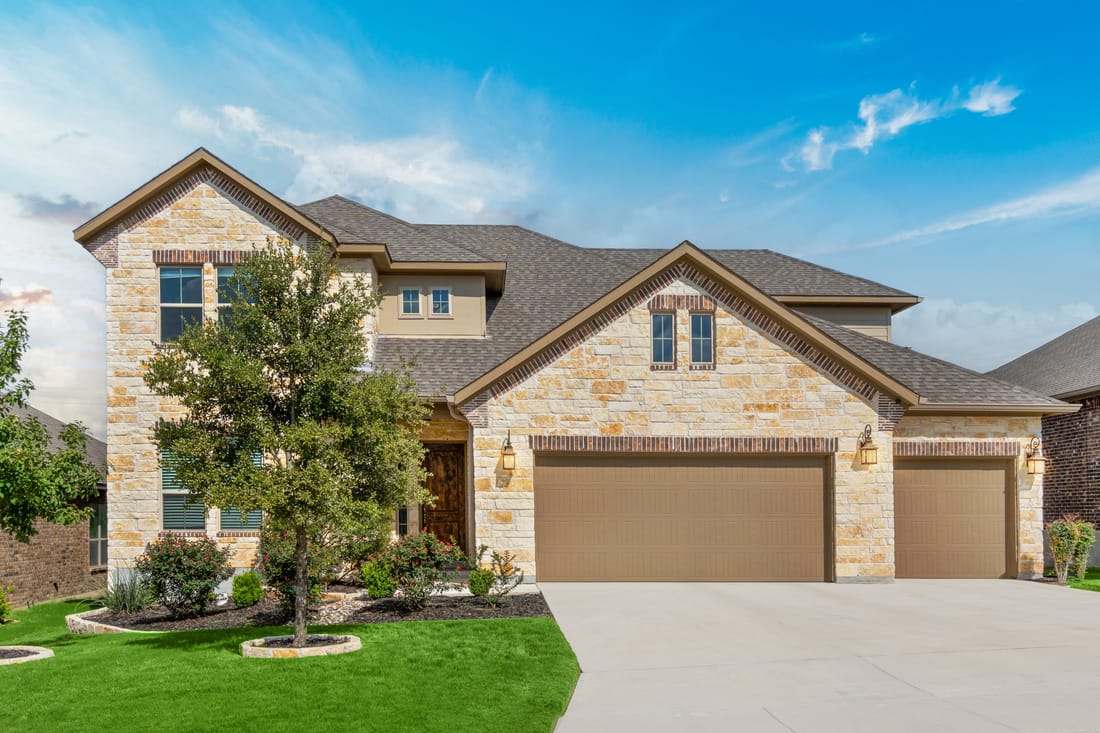
Metal roofs last far longer (40 to 70 years) and handle wind and storms better, but they cost roughly two to three times more up front. Architectural asphalt shingles (25 to 30 years) cost much less and remain the right choice for most Carolinas homes.
The best pick really comes down to two things: how long you plan to stay in the home, and your budget. For a forever home, metal can pay for itself. For most homeowners, a quality architectural shingle is the smarter dollar.
Metal versus shingle is the question we hear most when a Carolinas homeowner is ready for a new roof. Both are good materials. The right answer is not the same for every house, and anyone who tells you metal is always better, or shingles are always cheaper in the long run, is skipping the part that matters: your home, your climate, and your timeline. This guide lays out the honest trade-offs so you can choose with your eyes open.
How long does each roof last in the Carolinas climate?
Lifespan is where the two materials separate the most. A standing-seam metal roof, installed correctly over solid decking, commonly lasts 40 to 70 years and often outlives the owner. Architectural asphalt shingles, the upgraded laminated shingles most homes use today, typically last 25 to 30 years here. Older three-tab shingles last less, closer to 15 to 20 years.
Our climate is the variable that shortens shingle life. Hot, humid summers and intense UV slowly bake the asphalt, while freeze-and-thaw swings and the occasional hailstorm take their toll. Metal shrugs off most of that. The trade-off is that you pay for that longevity up front, and you only collect on it if you stay long enough to use it.
What does each cost?
Roofers price by the "square," a unit equal to 100 square feet of roof. In our region, installed architectural shingle roofing runs about $450 to $700 per square, while standing-seam metal runs about $900 to $1,600 per square. On a typical mid-size home that is a difference of several thousand dollars, often the gap between a $12,000 shingle roof and a $25,000 metal one.
Here is the side-by-side, so you can weigh the whole picture and not just the sticker price.
| Factor | Standing-seam metal | Architectural shingle |
|---|---|---|
| Upfront cost (per square, installed) | $900 to $1,600 | $450 to $700 |
| Lifespan | 40 to 70 years | 25 to 30 years |
| Wind / storm resistance | Excellent, high wind ratings | Very good, rated for strong wind |
| Energy efficiency (heat reflection) | Reflects heat, helps cooling bills | Absorbs more heat, less reflective |
| Noise in rain | Slightly louder, often pleasant | Quiet |
| Maintenance | Very low | Low, occasional repairs |
| Resale value | Strong, premium appeal | Solid, broad buyer appeal |
| Best for | Long-term owners, forever homes | Most Carolinas homes, value |
For a full breakdown of what a new roof costs by size and material in the Triad, see our roof replacement cost guide.
Which holds up better in Carolinas storms and heat?
This is where our local weather earns its place in the decision. The Carolinas serve up a demanding mix: hot, humid summers with relentless UV, heavy rain, periodic hail, and hurricane-season wind that can reach inland to the Triad. Both materials are built to handle it, but they handle it differently.
Hot humid summers and strong sun age shingles faster and raise cooling bills, which is where metal's heat reflection pays off. Heavy rain and hail favor a tough surface and tight, concealed fasteners. Hurricane-season wind rewards a roof that locks together as a system. Whichever material you choose, the install quality matters more than the brand: proper underlayment, flashing, and ventilation are what carry a Carolinas roof through storm season.
On wind, standing-seam metal has the edge at the top end. Its interlocking panels and concealed fasteners give it high wind ratings, which is why it is a favorite on the coast. Quality architectural shingles are no slouch, they are rated for strong wind and perform well when nailed to code, but metal simply has more margin in an extreme event. On heat, metal reflects solar energy and can trim summer cooling costs, while shingles absorb more of it. On hail, both can be dented or damaged in a severe storm, though metal rarely leaks from it the way an aging shingle roof can.
Which adds more resale value?
A new roof of either material helps a home sell, because buyers and inspectors both care that the roof has years of life left. Metal carries a premium image and the selling point of "you will likely never replace this," which appeals to certain buyers and can stand out in a listing. Architectural shingles have the broadest appeal and look right on the majority of Carolinas homes, so they rarely hurt a sale. If you are replacing mainly to sell soon, shingles give you nearly all of the resale benefit at a fraction of the cost. The extra resale lift from metal usually does not repay its full premium unless you also enjoy the longer life yourself.
So which should you choose?
Here is our honest recommendation. For most Carolinas homeowners, a quality architectural shingle is the right call: it costs much less, looks great, handles our storms well, and lasts 25 to 30 years. If you are not certain you will be in the home for the long haul, this is almost always the smarter spend.
Choose metal if this is your forever home or a long-term hold, if you want the lowest lifetime maintenance, if you value the summer heat reflection, or if you are on the coast or an exposed site where top-tier wind performance is worth the premium. In those cases the longer life and durability genuinely pay back.
Not sure whether your current roof even needs replacing yet? Our signs you need a new roof checklist will help you tell repair from replacement. And because we install both shingle and metal, we have no reason to push you toward one over the other. We will give you a straight read on which fits your home and budget.
Frequently asked questions
Is a metal roof worth the extra cost in NC?
It depends on how long you plan to stay. A metal roof costs roughly two to three times more than architectural shingles up front, but it can last 40 to 70 years and reflect summer heat. If this is your forever home, the longer life and lower long-term cost often justify the premium. If you may move within 10 to 15 years, architectural shingles are usually the smarter spend.
Are metal roofs loud in the rain?
Not the way people imagine. A modern standing-seam metal roof installed over solid decking and underlayment is only slightly louder than shingles in heavy rain, and many homeowners find the sound pleasant. The loud tin-roof noise comes from metal panels over open framing, which is not how residential roofs are built today.
Does a metal roof lower home insurance?
Sometimes. Many Carolinas insurers offer a discount for metal or other impact-resistant roofing because it stands up better to wind and hail. The savings vary by carrier and policy, so ask your agent for a specific quote before counting on it.
Which is better for hurricanes, metal or shingle?
Standing-seam metal generally holds up better in high wind because the panels lock together with concealed fasteners and carry high wind ratings. Quality architectural shingles installed to code also perform well and are rated for strong wind. Either material can survive hurricane-season storms when installed correctly; metal simply has more headroom at the top end.
Can you put metal over existing shingles?
In some cases yes, but we usually recommend a full tear-off. Going over old shingles can trap moisture and hide rotted decking, and it makes a proper underlayment and ventilation job harder. A clean deck is the foundation of a roof meant to last 40 years or more, so the small savings rarely pays off.
Not sure which material fits your home? Let us help you choose.
We install both shingle and metal, so our advice is about your home and budget, not a product we are trying to move. Get an itemized written estimate for either option, free and with no pressure.