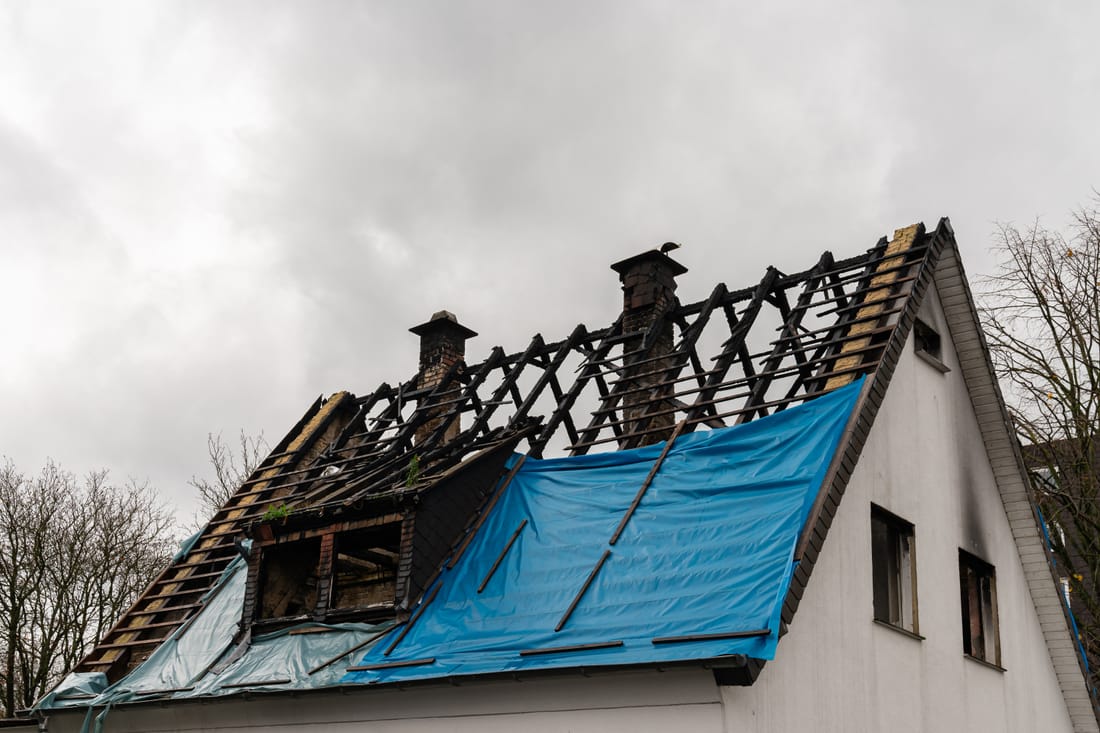
After a storm, the path is straightforward: document the damage and make temporary repairs to prevent further loss, get a professional roof inspection, then file the claim with your insurer. Next, meet the adjuster (ideally with your roofer present), and review the settlement before any work begins.
Covered storm, wind, and hail damage is generally paid out minus your deductible. Damage from age, wear, and lack of maintenance is not covered, which is why documenting the storm event matters so much.
North Carolina takes more than its share of severe weather. Hurricanes and tropical systems push inland off the Atlantic, Hurricane Helene caused devastating damage across western NC in 2024, and the Piedmont and Triad see hard wind and hail from spring and summer storms every year. When that weather finds your roof, knowing how to handle the insurance claim makes the difference between a smooth repair and months of frustration. Here is the plain-English, step-by-step process for homeowners in Greensboro, Winston-Salem, High Point, and across the Carolinas.
What should you do in the first 48 hours after a storm?
The hours right after a storm matter. Your insurer expects you to limit further damage, and good documentation now protects your claim later. Work safely and in this order:
- Stay safe first. Do not climb onto a wet, steep, or damaged roof. Watch for downed power lines, hanging limbs, and unstable trees. Inspect from the ground or a window.
- Document everything. Take clear, dated photos and video of the roof, gutters, siding, windows, and any interior water stains. Capture the wider scene too, such as fallen branches and yard debris, to show the storm's force.
- Mitigate further loss. Cover open areas with a tarp and move valuables away from active leaks. Most policies require you to prevent additional damage, and reasonable temporary repairs are part of that duty.
- Save every receipt. Keep receipts for tarps, plywood, and any emergency work. These costs are often reimbursable as part of the claim.
If you cannot safely tarp the roof yourself, call a licensed roofer. We offer same-day emergency tarping after major storms across the Triad so a small opening does not turn into a soaked ceiling.
How does the roof insurance claim process work?
Once you are safe and the damage is documented, the claim itself follows a predictable sequence:
- Get a professional inspection. Have a licensed roofer inspect and document the damage in writing. A roofer sees hail bruising, lifted shingles, and flashing damage that is easy to miss from the ground.
- File the claim promptly. Call your insurer or agent to open the claim. Give them the date of the storm, a description of the damage, and your photos. Most policies require timely notice, so do not delay.
- Meet the adjuster. Your insurer will send an adjuster to inspect the roof and write a scope of repairs. Ask to have your roofer present so nothing is overlooked.
- Review the settlement scope. The insurer sends a written estimate of what they will pay. Compare it line by line against your roofer's findings before you agree to anything.
- Schedule the work. Once the scope and payment are settled, your chosen roofer completes the repair or replacement. Final or "recoverable depreciation" payments often release after the work is documented as complete.
What storm damage is actually covered?
Insurance covers sudden, accidental damage from a specific event. It does not cover the slow decline of an aging roof. Knowing the difference helps you set realistic expectations.
- Wind. Lifted, creased, or blown-off shingles from a storm are typically covered.
- Hail. Bruising and granule loss that shortens shingle life is a covered peril under most policies.
- Fallen trees and limbs. Sudden impact damage from a tree or large branch is generally covered.
- Storm-driven water. Interior damage from a roof opening created by a covered event is usually part of the claim.
What is generally not covered:
- Normal age and wear on a roof at the end of its life
- Long-term leaks and rot from deferred maintenance
- Manufacturer defects or poor prior installation
- Damage that existed before the storm you are claiming
If you are unsure whether your roof is simply old or genuinely storm-damaged, our 7 signs you need a new roof checklist can help you tell the two apart before you call.
After every major storm, out-of-town crews flood the area knocking on doors, sometimes called "storm chasers." Some do honest work, but many collect a deposit, rush the job, and are gone before any warranty matters. They can be hard to reach if a problem shows up next year. A licensed, local, insured firm that lives and works in the Triad is here long after the storm passes, stands behind its workmanship, and answers the phone. Verify a license, a local address, and proof of insurance before you sign anything.
What are the common reasons roof claims get denied?
Most denials trace back to a handful of avoidable issues. Steer clear of these:
- Waiting too long to file. Late notice gives the insurer room to argue the damage came from a different event or normal wear.
- Pre-existing wear. If the roof was already failing, the adjuster may attribute damage to age rather than the storm.
- Poor documentation. Without dated photos and a professional report, it is your word against the adjuster's notes.
- Unpermitted or improper prior work. Earlier repairs done without permits or to code can give an insurer grounds to dispute coverage.
- Maintenance gaps. Clogged gutters and ignored small leaks can be cited as neglect.
Should you let a roofer meet the adjuster?
Yes, and it is one of the best things you can do for your claim. The adjuster works for the insurance company and writes the scope that decides what gets paid. A licensed roofer on the roof at the same time can point out hail bruising, wind creasing, and flashing damage the adjuster might otherwise overlook, and the two can agree on the scope on the spot. This is not about being adversarial. It is about making sure the written estimate reflects the real condition of your roof so the repair is done right the first time. A reputable roofer documents damage honestly and never encourages filing a claim where there is no genuine storm damage.
Planning ahead for the out-of-pocket side too? Our roof replacement cost guide for the Triad explains how deductibles and material choices affect what you pay beyond the settlement.
Frequently asked questions
How long do I have to file a roof insurance claim in NC?
Most homeowners policies require you to notify your insurer promptly after a loss, so file as soon as you reasonably can. Deadlines vary by policy and carrier, so check your own policy language and call your agent right away. Waiting too long is one of the most common reasons storm claims are denied.
Will filing a roof claim raise my premium?
A single weather-related claim is treated differently than an at-fault claim, but any claim can affect future pricing. Premiums are set by your insurer based on many factors. If your roof has real storm damage, the cost of leaving it unrepaired usually outweighs the worry about a rate change. Ask your agent how a claim could affect your policy before you decide.
Do I have to use the roofer my insurance company suggests?
No. In North Carolina you have the right to choose your own licensed contractor. Your insurer may offer a preferred vendor list, but you are free to hire any qualified, licensed and insured roofer you trust to do the work.
What should I do if my roof claim is denied?
Ask the insurer for the denial in writing with the specific reason. You can request a re-inspection, supply additional documentation such as a roofer's report and dated photos, and ask your carrier about its appeal process. A licensed local roofer can help document storm damage that may have been missed.
Does insurance cover a full roof replacement or just repairs?
It depends on the extent of covered damage and your policy. Minor, isolated damage is often a repair, while widespread storm or hail damage can justify a full replacement. The adjuster's scope and your coverage terms (such as replacement cost versus actual cash value) determine the outcome.
Storm damage on your roof? Get a free inspection.
We climb the roof, document the damage in writing, and help you understand your options before you call your insurer. Same-day emergency tarping available after major storms across the Triad.