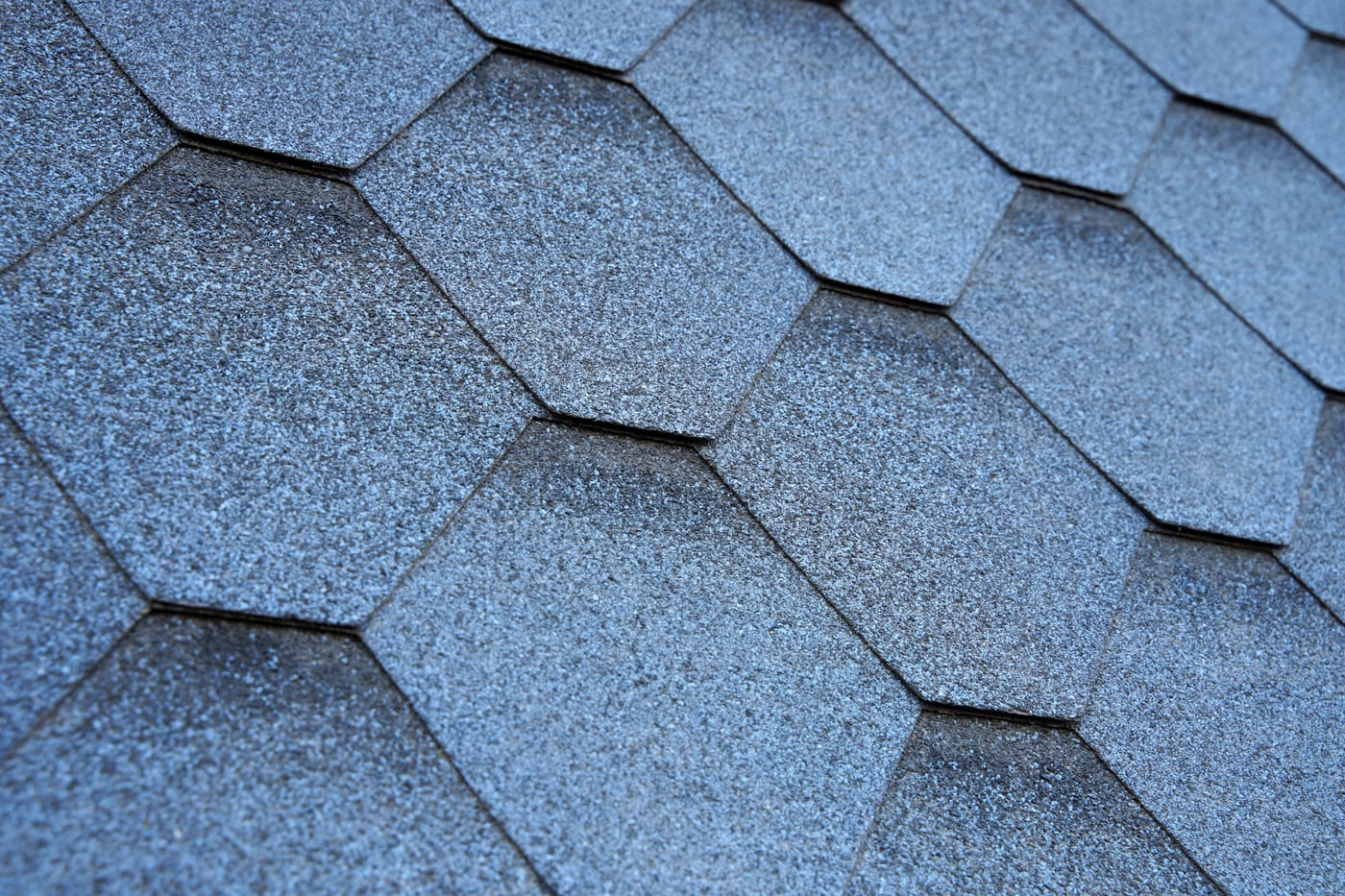
The clearest signs you need a new roof are an aging roof (20 or more years old), curling or missing shingles, granules collecting in your gutters, daylight or water stains in the attic, a sagging roofline, and widespread moss or algae. One isolated issue is often a simple repair.
When several of these signs show up together, especially on a roof that is already past 15 years, it usually means full replacement is the smarter, cheaper-over-time choice than chasing one repair after another.
Your roof works hard and quietly, so it is easy to forget about until a stain appears on the ceiling. By then, water has often been getting in for a while. The good news is that a failing roof almost always sends warning signals first, and most of them you can spot from the ground or your attic. Here are the seven signs every Greensboro, Winston-Salem, and High Point homeowner should know.
What are the warning signs your roof is failing?
Walk through this checklist a couple of times a year, and always after a big storm. The more boxes you check, the closer your roof is to replacement.
1. Your roof is 20 or more years old
Age is the single best predictor. Most asphalt shingle roofs in the Carolinas last 15 to 25 years, so once yours passes the 20-year mark it is on borrowed time even if it still looks okay from the street. If you do not know the age, a previous permit, a closing document, or a quick inspection can tell you. An aging roof that has not failed yet is the best time to plan a replacement on your terms instead of during an emergency.
2. Shingles are curling, cracking, or buckling
Healthy shingles lie flat and tight. When they start to curl at the edges, cup in the middle, crack, or buckle up in waves, the asphalt has dried out and lost its flexibility. This happens faster in our hot, sun-baked summers. A few curled shingles can sometimes be replaced, but when the pattern is spread across the whole roof, the material has reached the end of its life.
3. You are finding shingle granules in the gutters
Those tiny ceramic granules are the shingle's sunscreen. They protect the asphalt from UV rays. As shingles wear out, they shed granules, which wash into the gutters and downspouts and collect like coarse black sand. A little shedding is normal on a new roof, but piles of granules from an older roof, often paired with bald, shiny patches on the shingles, mean the protective layer is gone and failure is close.
4. Missing shingles or bald spots after storms
High winds and hail are part of life in North Carolina, and they take shingles with them. A single missing shingle is a repair. But if a storm leaves several gaps, exposed bald spots, or shingles scattered in your yard, the rest of the roof has likely taken hidden damage too. Storm losses on an already-aging roof often tip the decision toward replacement.
5. Daylight, water stains, or sagging in the attic or ceiling
Your attic tells the truth. On a sunny day, go up and look: if you can see daylight coming through the roof boards, water is getting in too. Dark water stains on the decking, damp insulation, a musty smell, or sagging spots between the rafters all point to an active leak. Brown rings or stains spreading across an interior ceiling are the same problem showing up downstairs. These signs mean act now, before the damage reaches the structure.
6. A sagging or uneven roofline (structural, urgent)
Stand across the street and look at the ridgeline and the planes of your roof. They should be straight and even. A visible dip, sag, or wave in the roofline is the most serious sign on this list. It usually means water has rotted the decking or the support structure underneath, or that there is a load problem. This is not a wait-and-see item. Call a roofer promptly, because a sagging roof can become a safety issue.
7. Widespread moss, algae, or dark streaks
Those dark streaks running down many Carolina roofs are algae, and the green fuzzy patches are moss. Both thrive in our humid, shaded, tree-heavy neighborhoods. In small amounts this is mostly cosmetic. The trouble starts when moss grows thick, because it holds moisture against the shingles and can lift them, while heavy algae over many years can wear the surface down. On a newer roof this is a cleaning issue. On an older one, widespread growth is one more vote for replacement.
Repair or replace?
One sign on a healthy, younger roof usually points to a repair. A handful of missing shingles, a single flashing leak, or one cracked vent boot can be fixed for a few hundred dollars and buy you years. Replacement makes sense when the roof is near the end of its life span, when the damage is widespread across multiple signs above, or when you find yourself paying for the same kind of repair over and over. At that point, repairs become money poured into a roof that is going to need replacing soon anyway. If you want to weigh the numbers, our roof replacement cost guide for the Triad walks through current pricing so you can plan with real figures.
Our climate is hard on roofs. Long, hot, humid summers bake the asphalt and dry out shingles, while moisture feeds the algae and moss you see streaking so many local roofs. On top of that, the Carolinas catch hurricane remnants, summer hail, and the wind and heavy rain that come with them. All of it adds up, so a roof here often shows its age before a roof in a milder climate would.
What about storm damage?
Storms deserve their own look, because the worst damage is often invisible from the ground. Wind can break the seal between shingles without removing them, and hail can bruise the surface in ways you only notice when leaks appear months later. If your area has taken a significant storm, hail, or high-wind event, get the roof inspected even if it looks fine. Damage from a covered storm may also qualify for an insurance claim, which can change the math considerably. Our North Carolina storm and hail insurance claim guide explains how to document the damage and work with your adjuster.
Frequently asked questions
How long do roofs last in North Carolina?
Most asphalt shingle roofs in North Carolina last about 15 to 25 years, depending on the shingle grade, installation quality, and ventilation. The heat, humidity, and storms of the Carolinas can shorten that range, so once a roof passes 20 years it is worth a professional inspection.
Can I just repair my roof instead of replacing it?
Yes, if the damage is isolated and the rest of the roof is sound. A few missing shingles or a single flashing leak on a roof with years of life left is a repair. Replacement makes more sense when the roof is aging, the damage is widespread, or you are facing repeated repairs.
Do dark streaks mean my roof is bad?
Not always. Dark streaks are usually algae, which is extremely common in the humid Carolinas and is mostly cosmetic at first. Over time, heavy moss and algae can hold moisture against the shingles and shorten their life, so widespread growth on an older roof is worth checking.
How often should I have my roof inspected?
Once a year is a good rule for most Carolinas homes, plus a check after any major storm, hail, or high wind event. Older roofs and homes with lots of trees benefit from more frequent inspections.
Is it normal to see granules in my gutters?
A small amount of granule loss is normal, especially on a brand new roof. Finding piles of granules in the gutters or downspouts on an older roof is a warning sign, because it means the shingles are wearing out and losing the layer that protects them from the sun.
Not sure where your roof stands? Get a free assessment.
We climb up, check the shingles, flashing, and decking, and give you an honest answer on whether you need a repair, a replacement, or nothing at all. No pressure, no obligation.